Pimoroni is without doubt one of the most colourful companies to have come to market in support of the growing community of Raspberry Pi fans. The firm shot to fame last year when it released Pibow, one of the first cases for the Pi.
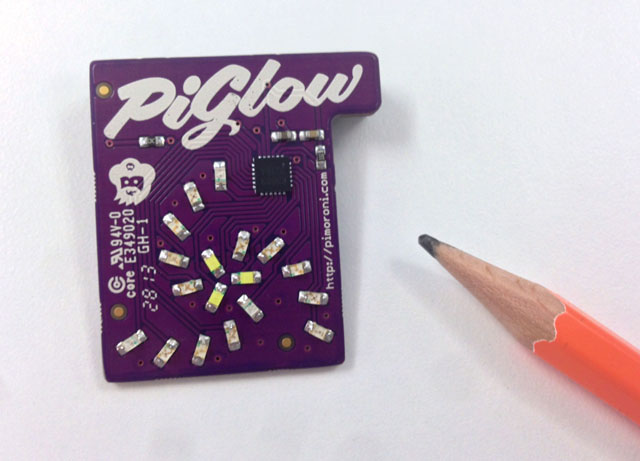

Pimoroni is without doubt one of the most colourful companies to have come to market in support of the growing community of Raspberry Pi fans. The firm shot to fame last year when it released Pibow, one of the first cases for the Pi.
Not so long ago, a hardware hacker called Jimmie Rodgers decided to solder 126 LEDs onto a small board that could be plugged into the Arduino microcontroller kit. He dubbed it the LoL Shield: ‘LoL’ for ‘lots of LEDs’, and ‘shield’ because that’s that’s what Arduino add-ons are called.

I bought a case for my Pi very early on. It seemed sensible: I don’t keep the Pi permanently plugged in, so it’ll always get plenty of handling – not something you want to subject on a naked board to. I got a cheap one – the SB Components case, covered below – but have since begun to wonder whether I needed something better: a case that’s most suited to regular opening and closing while I slip on and off various GPIO add-ons.
Continue readingOver at The Register, you can read my round up of five of the latest Raspberry Pi books:

I’m enjoying tinkering with the Raspberry Pi. Alas most of the tutorials and guides available online, of which there are many, focus on hooking the tiny board computer to Windows or Linux machines. Mac-centric guidance is sparse, and I could have used some this week.


