Tag Archives: Linux

Swift Fighting Man: How to duke it out with the Xcode build process and Win!

Today was going to be about so much else, but instead I found myself mêléeing with Apple’s build system.

I have a script I’ve been using very successfully for some years that automates the build process for my CLI apps. It builds a universal binary containing both ARM64 and x86-64 code, wraps it into a macOS installer package and submits the result to Apple’s notarisation service. One command in Terminal and it’s all done, or occasionally you get an error message.

Continue reading

Ancient Palmtops as serial terminals, Part 2: the Psion 5mx and the homelab

Last year, I performed some jiggery-pokery on my headless Raspberry Pi-based HomeLab to allow my veteran Psion 3a palmtop to be used as a serial terminal for those times when SSH-ing in was not an option. The age of the 3a meant it was a sub-optimal experience, but it was usable. I recently acquired a Psion 5mx, released half a decade after the 3, and put it to the same task.

A Psion 5mx running Hermes to show a Raspberry Pi serial terminal. Image © Tony Smith (@smittytone)

The experience is much better, but I needed to tweak the PI-side settings to get results.

Continue reading

udev, I dev: unique identifiers and aliases for USB serial ports on Linux and macOS

An interesting comment on my previous post suggests using udev rules to give connected USB-to-serial adaptors their own, unique names. It works by setting udev rules to apply a symbolic link to specific devices when they are connected.

The approach, outlined in this blog post, works at the command line. This got me thinking: can I do the same in code?

Continue reading

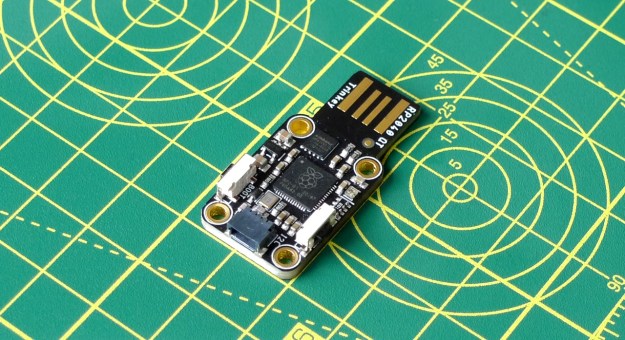
How to find the right Pi Pico board or retro tech connected to your Mac or Raspberry Pi

Recent work connecting old mobile devices — the Psion Series 3a and the Amstrad NC100 — to my Mac caused me to run into an issue with the script I use to determine the Unix device path of the USB-to-serial adaptor I use to talk to these gadgets. Long story short: I ended up converting a Z Shell function into a Swift CLI tool — and adding Linux support into the bargain.

Adafruit’s RP2040 board connects to the host via an integrated USB-to-serial adaptor (Image © 2021, Tony Smith)
Adafruit’s RP2040 board connects to the host via an integrated USB-to-serial adaptor
Continue reading

How to clone your Raspberry Pi card to an SSD… and add a home partition While you’re about it

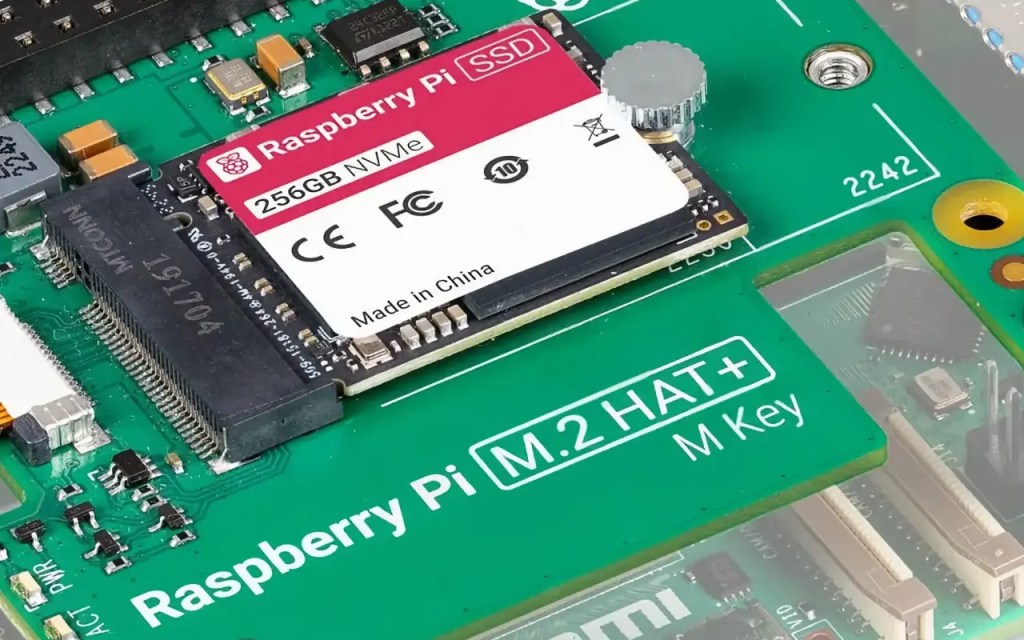
I decided to upgrade my Raspberry Pi 4 homelab server to the Raspberry Pi 5. I took the opportunity to upgrade the storage from a 64GB USB drive to Raspberry PI’s M.2 PCIe Hat and a 256GB SSD. This begged a question: how to replicate the three partitions on the USB drive — boot, root and home — on the SSD, especially with larger partition sizes? Here’s what I did.

Raspberry Pi 256GB SSD
A 256GB SSD. Image © Raspberry Pi Ltd
Continue reading

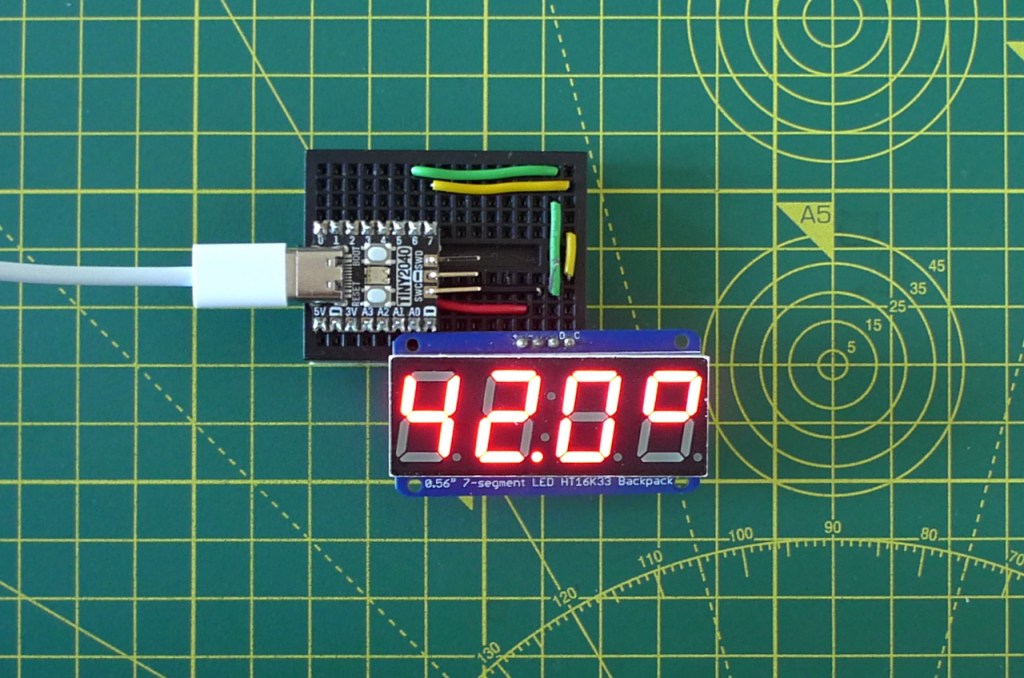
Meet Depot, an RP2040-based multi-bus adaptor for Macs and Linux PCs

I’d like to introduce you to Depot, the new name for an expanded version of the Raspberry Pi RP2040-based adaptor I launched last year as cli2c. Why the name change? In addition to I²C, the firmware and the client-side code that interacts with it, now supports 1-Wire, and more buses will be supported soon.

Depot client and adaptor firmware in action
Continue reading

Tailscale: a VPN for the rest of us? You bet!

A one-time colleague of mine recently put me onto Tailscale, a rather nifty product that allows you to wrangle all of your computers, phones and more into a single, secure and Internet-spanning virtual private network (VPN). I decided to give it a try and I’m very impressed with its performance and ease-of-use — the latter very important for someone like me who’s not a network guru.

Tailscale: VPN for the rest of us?
Continue reading

A cure for Raspberry Pi ‘Slow USB Mouse Syndrome’

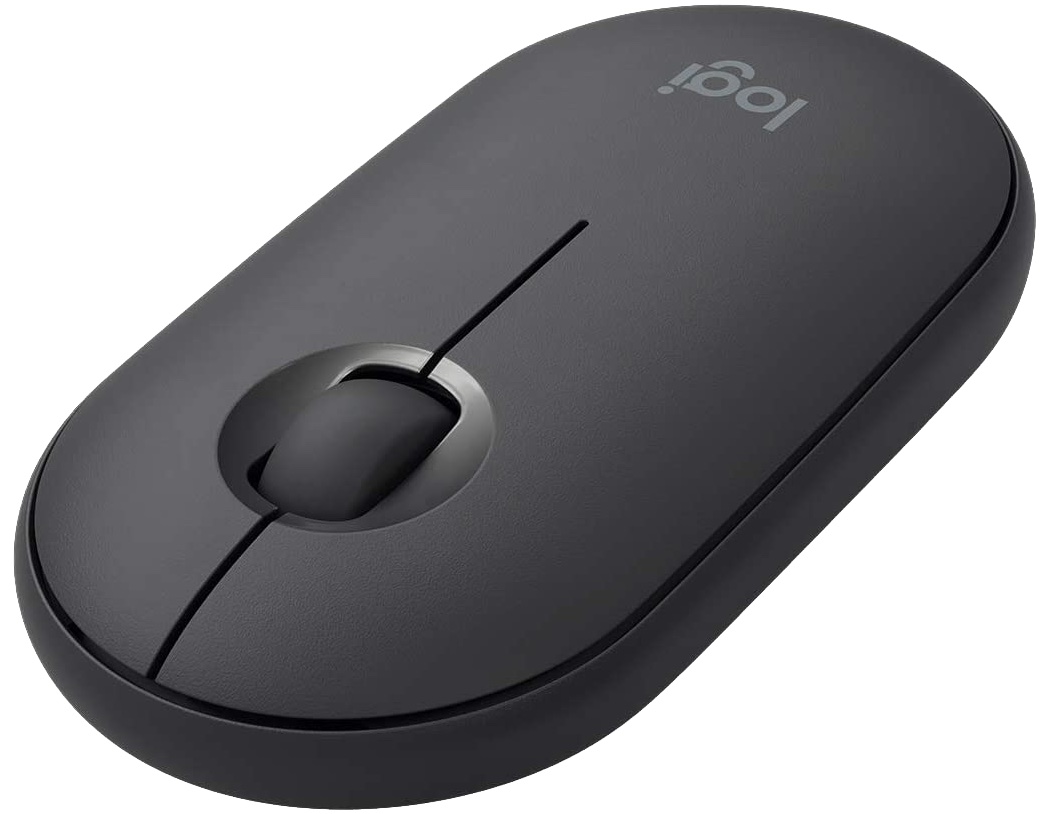
I don’t quite know how I missed this, but I’m guessing plenty of Pi users might have missed it too so here it is. If you’re tired of the Raspbian desktop’s too, too laggy mouse performance, there’s a very easy cure. Poor mouse responsivity was the only thing preventing me from using the Raspbian desktop on a regular basis. Here’s how to fix it.

Continue reading

Alias is Your Friend

I regularly use ls -la to list directory contents on my Raspberry Pi. I often use ls -lah to also display hidden files. This week I wondered if there was a way to use either of these ls options by default. Well, there is.

Continue reading

(Retro) Review: Raspberry Pi B+

Better late than never. An edited version of this review appeared in The Register in August 2014. I intended to reproduce the original here, but never got round to it. At long last – and a tad late now the Pi 2 is out, of course – here for the record…

You might think that were you a purveyor of a nifty compact computer selling by the millions, you’d consider two years after the debut of your first offering that it was high time you tempted back buyers with a go-faster, more capacious and shinier model. Heck, Apple and others don’t even wait that long: they upgrade products year in, year out.

Continue reading