I’ve been messing around with the I²C Mini from Excamera Labs for a week or so. It’s a tiny, 19x19mm I²C breakout designed to to let you connect a wide array of components — displays, sensors, controls and such — to your computer.
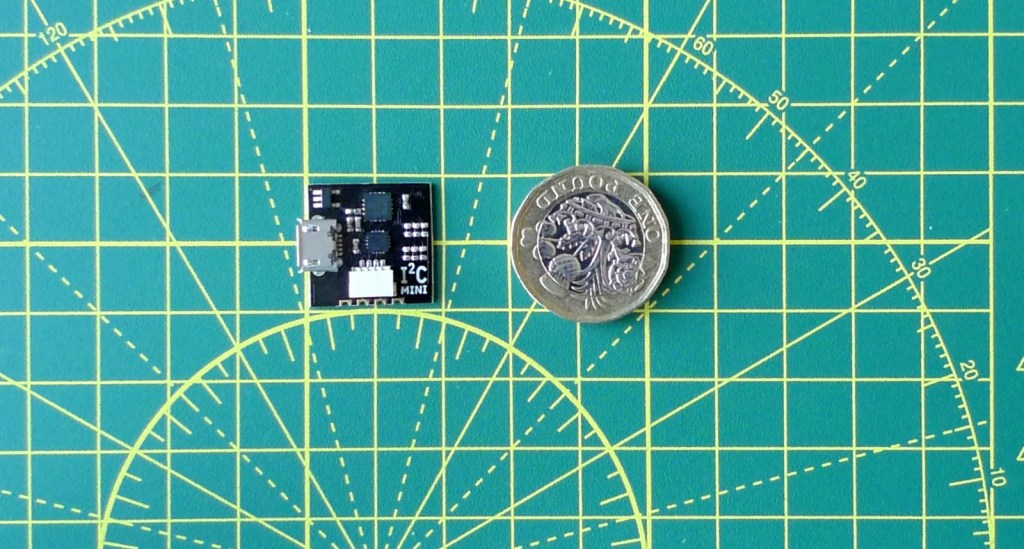

I’ve been messing around with the I²C Mini from Excamera Labs for a week or so. It’s a tiny, 19x19mm I²C breakout designed to to let you connect a wide array of components — displays, sensors, controls and such — to your computer.
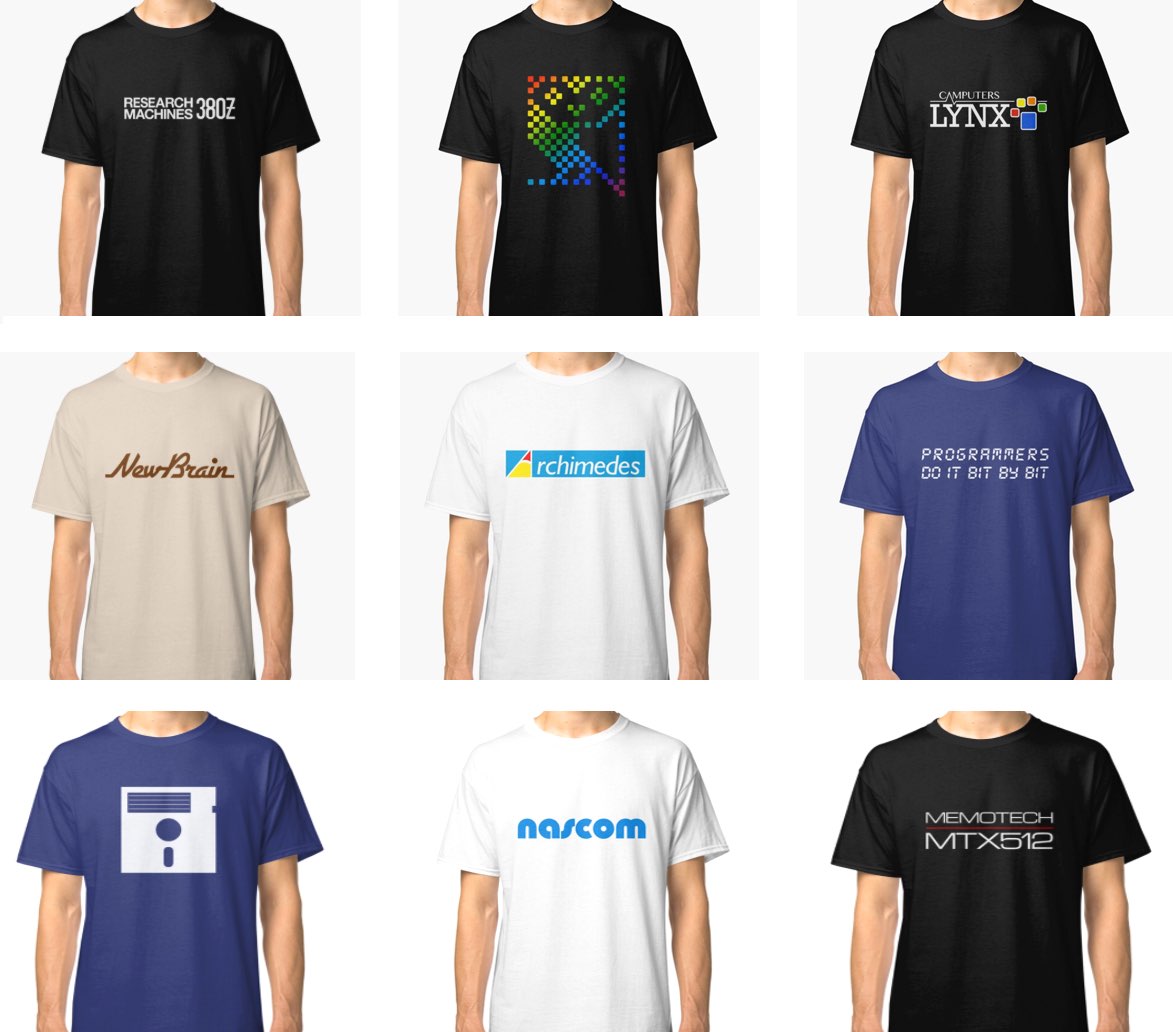
Announcing the results of a small side-project I’ve been working on for a couple of months: my retro tech T-shirt shop is now open.
If you have an interest in the early years of microcomputing, head over to my Red Bubble store and check out the available apparel. Here’s a small selection:
My Mac port of a 1980s era “interactive adventure” game needed a little love, so I finally got round to applying some this afternoon. You can download it here, and read more about the history of this fondly remembered 8-bit classic from a time when we had to type these things into a Commodore PET, line by line…

I have just released version 1.3.0 of MNU, my macOS menu bar utility. Usually I’d just post a very brief notification of the the update, but this release requires a little more explanation.

The Nano command line text editor has reached a new milestone: version 5.0.
There are the usual array of bug fixes and tweaks, but what caught my eye among the release notes was the introduction of a scroll indicator. This tells you where you are within a long file and is particularly good for mouse users so you can see where you’ve got to as you mouse-wheel through a document.

iPadOS 13 (iOS 13 with knobs, basically) introduced user-installable fonts — or typefaces as we used to call them in the trade, especially in pre-digital times. Apple already bundles a host of fonts with iPadOS, but the addition of user-installable fonts ought to allow much greater scope for tablet-based typographical creativity.

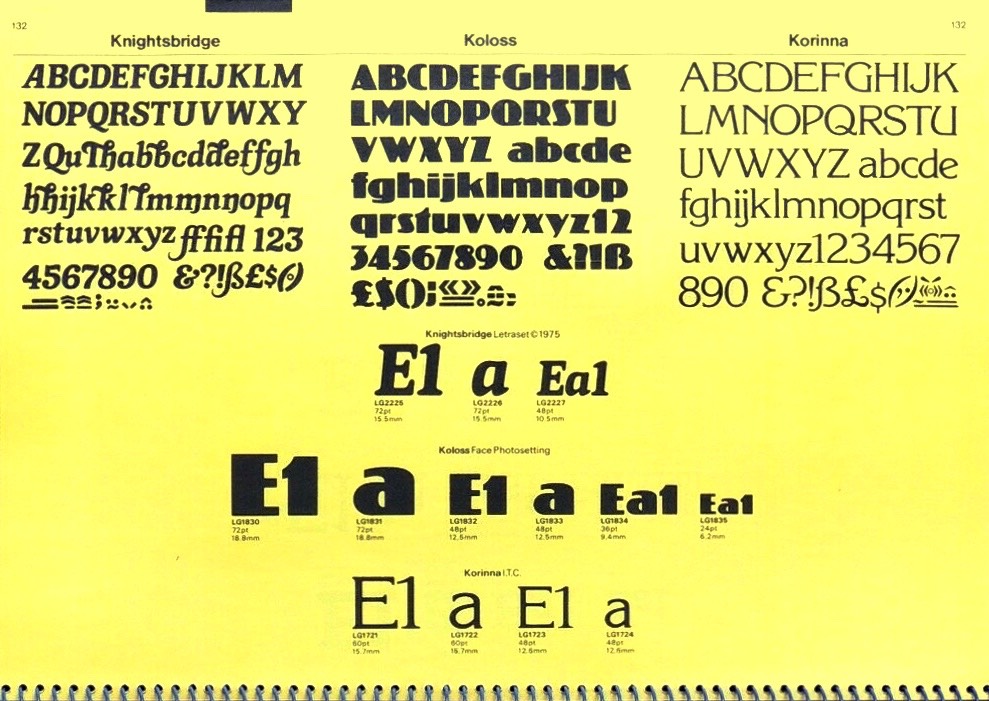
I recently updated the masthead of my software-focused site, smittytone.net. In a fit of nostalgia, I recast it as a series of fonts that I’ve been fond of for years, all of them 1960s, 70s and 80s classics.
A few posts back, I talked about the script I use to package macOS apps that I distribute outside of the Mac App Store. That script is designed to simplify the complex process of signing and notarizing not only the app itself but also the installer package its ships within. This is all made necessary by the ever more rigorous, annoying but necessary security provisions Apple is applying to macOS.
Download the utility and read the release notes for this handy macOS image-to-pdf converter here.
I don’t know if this is a glitch in my system — I see it in a couple of machines, though both have the same config — but under macOS Catalina, Finder has an annoying habit of ignoring the size of windows. Pop up a new Finder window and it’s just a small quarter-of-screen panel at the top left of the desktop, not the much larger panel that the most recently closed window was.
Continue reading
