Tag Archives: Amstrad

Retro LCD screen illumination: no backlight? Try a frontlight

I have written before about the Psion 5mx, a palmtop computer from the late 1990s, and I have grumbled about its LCD screen. I don’t have a problem with LCD per se — you can’t expect the same screen quality that you get with a modern colour OLED retina display — but in the right light conditions an LCD can be perfectly usable. However, the 5mx screen’s specific level of reflectivity narrows the range of lighting conditions under which it gives you a good, clear view.
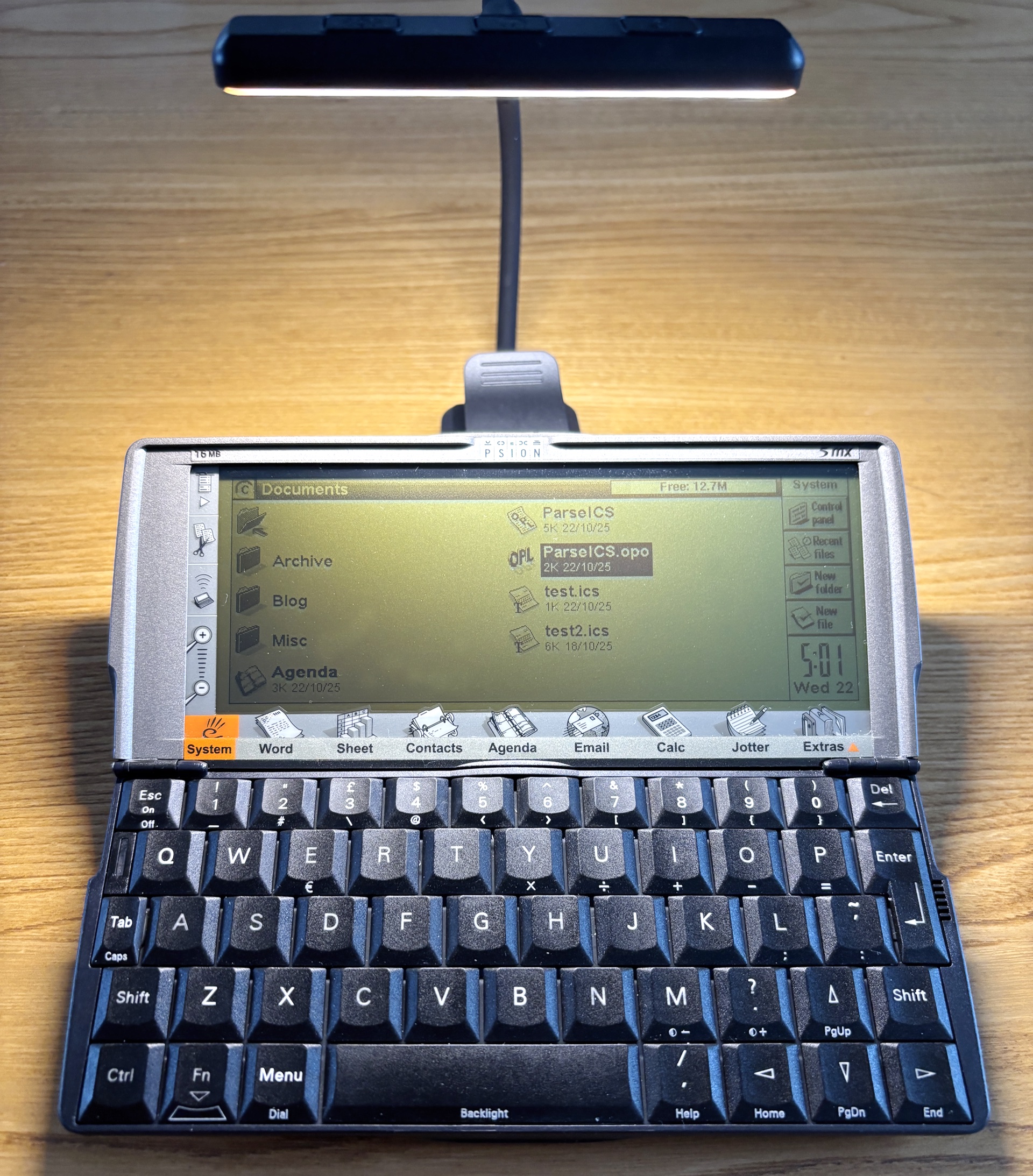
Illuminating your retro tech. Image © 2025, Tony Smith (@smittytone). All rights reserved

What’s odd about this is that the 5mx’s predecessor but one, the 3a, has a really good LCD screen which provides a clear view over a wider range of lighting conditions.

Continue reading
The most essential Amstrad NC100 accessory? It’s got to be a memory card

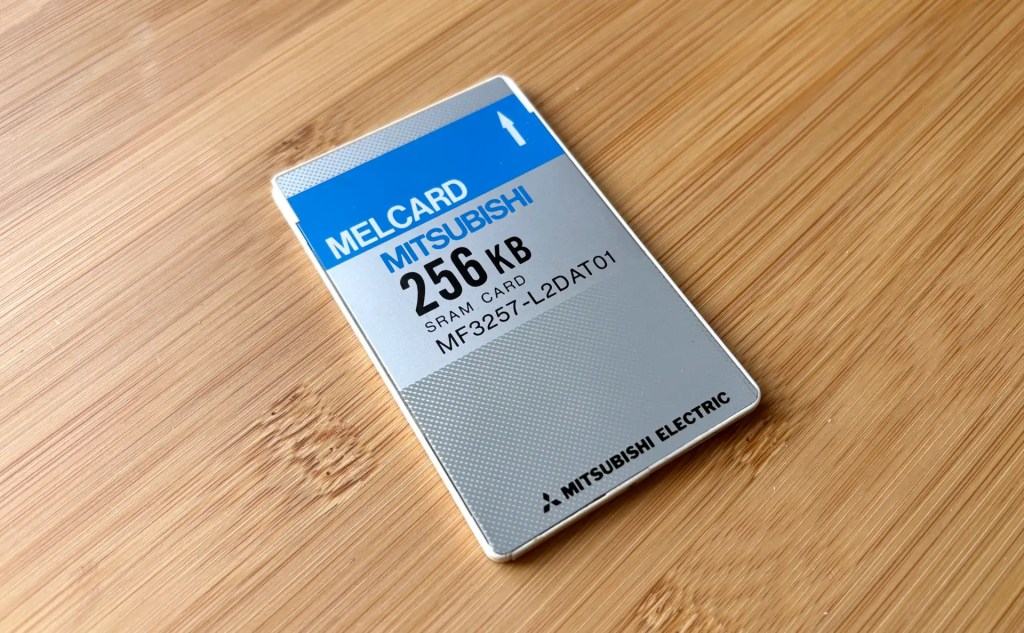
I was resisting buying a memory card for my Amstrad NC100, but in the end I caved in. It was mostly because I have memory cards for my two Psion devices — a proprietary flash drive for the Series 3a and a CompactFlash card for the Series 5mx — because it’s reassuring to know that you can quickly make safe copies of working docs on a device without storage.

An NC100-compatible 256KB PC card. image copyright 2025 tony smith. all rights reserved

This I couldn’t do on the NC100 because it’s rather more limited in the type of cards it supports. Basically, you’re talking 64KB to 1MB SRAM cards in the PCMCIA/PC Card form-factor only.

Continue reading

How to fix Amstrad NC100 coin cell voltage warnings… with paper

Here’s a handy trick for any of you who, like me, have not only taken to retro computing in general but the Amstrad NC100 notepad in particular.

NC100 lithium battery warning

I was frequently being told that the machine’s back-up CR2032 coin cell was running low. This despite it being installed fresh out of the packet, and not long enough ago for me to expect such warnings.

Continue reading

How to bring Amstrad NC100 screenshots to modern graphics apps

While browsing some scans of old, out-of-print books about the Amstrad NC100, I discovered that it has a built-in screenshot facility. I knew my various Psion devices could do this, but not the NC100.

NC100 screenshot BBC Basic

The trick — press ControlShiftS — was mentioned in Robin Nixon’s The Amstrad Advanced User Guide, published in 1993 by Sigma Press. The book contained BBC Basic and C utilities for converting the raw bitmap data generated by the keypress.
I immediately keyed in the C code to try it out. It did the job.

Typing in a listing! What an old-school feeling!

Continue reading

Old tech for typing: using 1992’s Amstrad NC100 Notepad in 2025

In the early 1990s, I got to play with a new Amstrad device: the NC100 “notepad computer”. At the time, Amstrad was the name in British computer manufacturing. Notably it had shifted more than a million of its PCW series of word processors and while at this point it was pushing its line of IBM-compatible PCs, it hadn’t forgotten the success it had had with word processing kit.

The Amstrad NC100 (Image © 2025, Tony Smith)
Amstrad’s NC100: portable productivity

Enter the NC100, a mobile machine sporting a full size keyboard and a 480×60-pixel LCD used to render 80×8 characters. Pitched as a personal productivity tool, it shipped with on-board diary, calculator, address book, world time and spreadsheet applications as well as word processing software. Heck, it even included BBC Basic, in case you wanted to write your own programs on your daily commute.

Continue reading